Showing posts with label marinelife. Show all posts

Wednesday, July 3, 2019

Best SCUBA Diving season in India


When is the best time to SCUBA dive in India?
Looking for the best diving destinations in India?

If these sorts of questions occupy your mind, this blog aims to educate you on SCUBA diving in India through the eyes of a professional and experienced PADI SCUBA diving centre.

India has a vast coastline of over 7500 kilometres. That’s more than double the length of India from North to South! It’s no wonder SCUBA diving in India has been gaining popularity over the decades. To understand where, when and with whom to dive, we look at many factors that affect the overall experience of taking the plunge. The key to a great dive experience is to prioritise safety and education especially with a sport like SCUBA diving. This involves choosing the right dive centre and an awareness of how the seasons affect SCUBA in India.
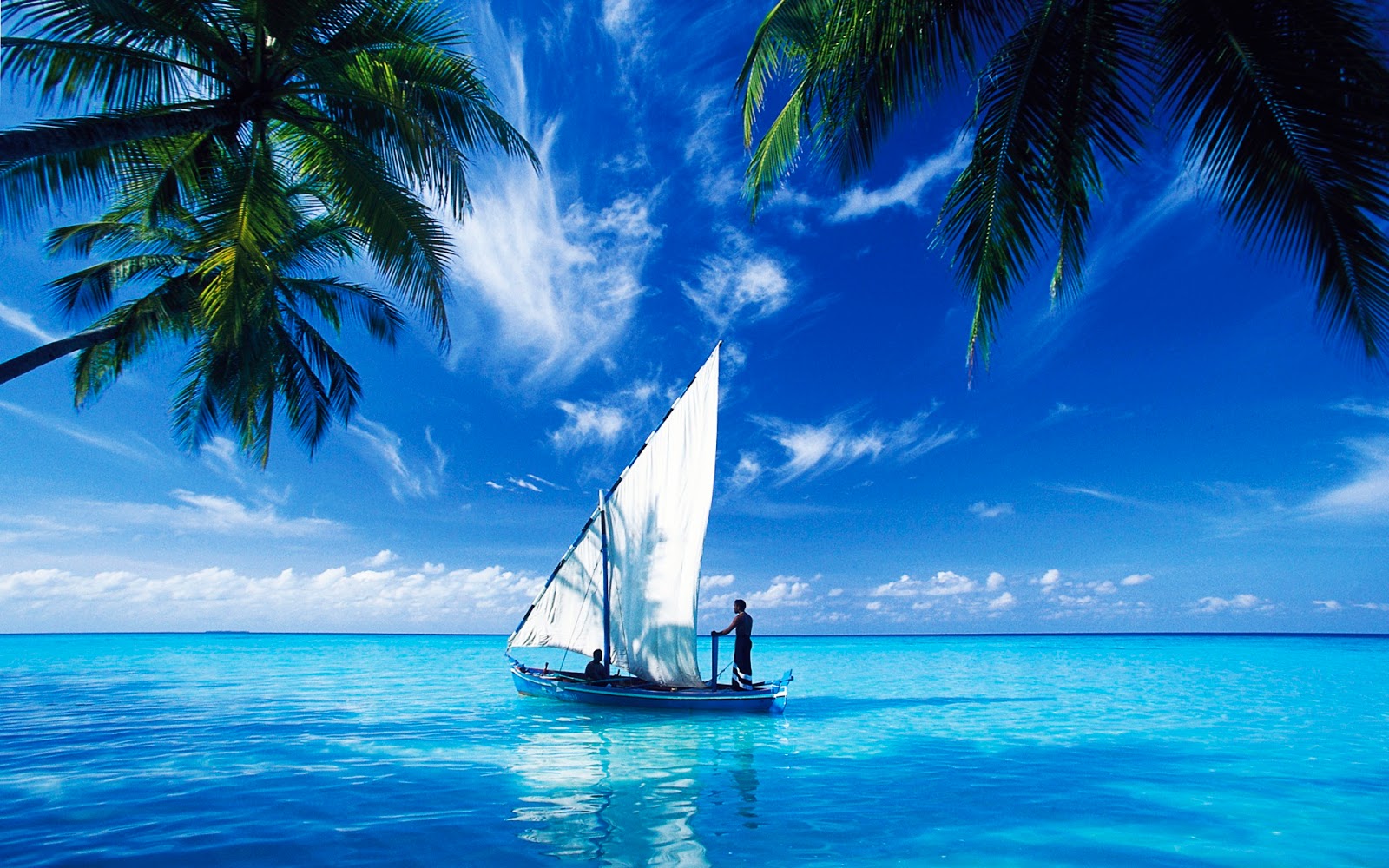

We’ll begin by separating the year into three main seasons which affect conditions for SCUBA DIVING in India


  1. Winters in India span from November to early-February each year and mark the beginning of the fair diving season in India. India enjoys tropical climate so water temperatures in the seas range from 25°C to 28°C. Although most dive centres in India open after the monsoons from mid-October onward, SCUBA diving picks up by November throughout the country. Some of the nicest dive destinations to visit during this time are the far-off islands of Lakshadweep and coastal Netrani Island (both on the West coast of India). Pondicherry, on the East coast, remains a perennially operational diving destination.
  2. The famous Indian Summer runs from March to late May / early June each year. This season is considered Peak diving season and leaves the seas flat with underwater visibility improving drastically. SCUBA divers flurry to dive destinations across India during this time. Water temperatures rise to a comfortable 29°C and may even reach up to 33°C at times. Some of the most travelled dive destinations in India during this season are the Andaman Islands, the Lakshadweep Islands, Netrani Island, Pondicherry and Goa.
  3. Come June, the Monsoons start to roll in and last till early/mid-October. SCUBA diving in the Indian seas comes to a halt mostly as this period is always famous for low-visibility, stronger currents and low availability of operational dive centre

But, don’t fret!  Training for SCUBA diving and the ability to Discover SCUBA with inland and local Dive Clubs happens year round! It’s the perfect way to gain comfort & confidence. You can even sign up for an international SCUBA certification course and prepare yourself for diving in Open Water as soon as the Indian diving season reopens.


Countries that enjoy a good diving season during our monsoons are Indonesia, Egypt, Fiji, Galapagos, parts of Maldives, Eastern Sri Lanka, Seychelles and Mauritius among others. Dive travel to international destinations is a great way to travel the world, gain buddies & friends for life as well as explore the depths of the Oceans.  


Reach us to claim your SCUBA certification or explore the underwater world with SCUBA diving in India or abroad. 

Shaun Patel

Follow us on Instagram | Like us on Facebook | Subscribe us on YouTube

About Absolute SCUBA

Absolute SCUBA is the brainchild of two seasoned Dive Industry professionals, Seemant Saxena, and Siddharth Pujari. Between them, they share a collective experience of over 15 years in the Dive Training, Scuba Certification and Dive Travel business.

Want to experience SCUBA in the City? Book your spot here

Happy & Safe Diving always
 Team Absolute SCUBA

www.absolutescuba.in | info@absolutescuba.in | www.scubaindia.in

 +91 9860003456 | +91 9970983456

Tuesday, June 25, 2019

Do I need to know swimming for SCUBA diving?


Although getting into the Ocean without knowing how to swim sounds scary, thousands of non-swimmers experience the magic of the underwater realm through SCUBA! Some scared and some dared, India has seen a growing number of eager adventurers ready to take the plunge. With over 2500 km of India’s coastline, the options to learn & experience SCUBA diving are limitless. International federations like PADI suggest preparing and training with your local SCUBA diving club before heading to the open ocean.

But where and how do I begin? Let’s break it down.

Pre-requisites
To be able to Discover SCUBA, you must be over 8 years of age and have decent medical fitness (attached picture highlights medical conditions that could be detrimental for SCUBA & would require a fitness certificate from a doctor). Enthusiasm has no age barrier and neither do we. Medically fit seniors as well as aspiring youngsters enjoy SCUBA diving and gain comfort and confidence to sign up for a full-fledged PADI Open Water Diver course.


Where can I Dive?
To Discover SCUBA in India, people have a myriad of options like your local pools, the seas, lakes and even quarries. However, in our country where “juggad” runs rampant, I highly recommend following this checklist before choosing to sign up with any centre.

  1. Check that your trainer has a professional diving licence from any internationally recognised diving federation like PADI or SSI.
  2. Make sure you are given a full set of SCUBA equipment with certified cylinders & a well maintained refilling facility
  3. Pick a centre with a clean safety sheet and great reviews.
  4. Get in touch with our experts at Absolute SCUBA to plan your SCUBA diving experience.


How Much?
When it comes to SCUBA diving, its best to not opt for the cheapest option. Cheaper options may use sub-standard SCUBA gear and have inexperienced and unqualified dive leaders and Instructors. Since SCUBA diving is an adventure sport and poses a risk to life, quality of gear and instruction should be your first priority when it comes to booking your SCUBA diving experience. You can find more information about your SCUBA gear here.
Diving in your local pools is cheaper at approximately INR 1,500 up to INR  2,500 per person per session onwards. Whereas Discovering SCUBA in the sea starts from INR 5,500 onwards. This additional cost arises due to other logistical costs such as boats, additional staff, food and snacks, etc. If you’re unsure of where to go and whom to dive with, reach us for assistance and guidance.


 Reach us NOW!

Now that you have chosen a trusted dive centre, prepare yourself for an experience like few others. Whether you are experiencing SCUBA to get closer to nature or completing PADI certification courses, the experience of breathing underwater is a must try for everyone! The Discover SCUBA experience is designed specifically to introduce beginners to this mystical sport in a safe and engaging manner.


So go ahead and DISCOVER SCUBA and embrace an adventurer’s way of life!

Shaun Patel, PADI OWSI.

After starting his diving back in 2011, Shaun went professional in 2013. He’s logged in over 1100 dives since then.


About Absolute SCUBA

Absolute SCUBA is the brainchild of two seasoned Dive Industry professionals, Seemant Saxena, and Siddharth Pujari. Between them, they share a collective experience of over 15 years in the Dive Training, Scuba Certification and Dive Travel business.

Want to experience SCUBA in the City? Book your spot here
Happy & Safe Diving always – Team Absolute

www.absolutescuba.in | info@absolutescuba.in | +91 9860003456 | +91 9970983456

Tuesday, February 26, 2019

10 points to bear in mind when you get serious about diving

10 Points to take your Diving to the Next Level
Recently certified as a PADI Open Water Diver? Want to take your diving to the next level? Enhance your skills or simply explore this Blue Planet a bit more. Here are 10 points that can take your diving to the next level

1. Sign up for PADI Specialties:
Whether you’re looking to simply improve your buoyancy control with a Peak Performance Buoyancy Speciality or straight out explore mysterious wrecks, PADI offers a massive range of Specialty options to choose from. Some personal favorite Speciality courses include EANx Diver (Enriched Air Nitrox), Digital Underwater Photography and the Night Diver Specialty. Check out the table below to figure out which ones call to the diver in you.
PADI Courses Flow Chart

2. Go deeper! Go for PADI AOWD
If you feel 18 meters is just a number, make sure to sign up for a PADI Advanced course. You must complete 5 different types of Adventure dives for this course out of which two dives are mandatory. A deep dive to 30 meters (100 Feet) is one such mandatory dive. The second is a Navigation Dive which sharpens our ability to successfully navigate underwater. For the remainder of the three Adventures dives, you have a bunch of options from learning more about Marine ecosystems to doing your first Night Dive. This is definitely a course worth doing if you have not yet.


Buoyancy Control Device
3. Get yourself some Personal Gear
With an adventure sport like SCUBA where your life depends on your Gear, it’s great to be able to trust it completely and there’s nothing better than having your own equipment. Start off with a Mask that fits your face well. Move on to getting yourself some Fins after trying a few types. Next, a wetsuit or drysuit for personalized fit and hygiene.  Take your time and ask for professional guidance while looking for a BCD, Regulator and Dive computer to make sure you get something that suits your style.

4. Learn to be an Emergency First Responder
It’s highly comforting when your dive buddy is trained as an Emergency First Responder. This course takes you through emergency responses like CPR and Rescue breathing as well as Secondary Care like managing cuts, fractures and choking. What’s awesome about this course is that it’s handy in non-diving related situations as well. Also, you don’t even have to be a certified diver to sign up!

5. Take some far out dive trips to more challenging dive destinations
It’s more than likely that beginner divers start off at slack diving conditions like a lagoon or a shallow reef. However, the Oceans and seas are diverse and as you clock more dives and confidence; it’s time to venture out to some of the more challenging and rewarding dive destinations. These places may have stronger and sometimes unpredictable currents but the landscapes, coral reefs and fish life are found in abundance. If you have not yet, plan a visit to places like Komodo, Deep south Maldives, South Egypt(Red Sea), the Galapagos Islands and Fiji among many others.

6. Stay in touch with SCUBA at your Local Dive clubs (If possible)
Unless you live by the Sea, staying in touch with your skills isn’t always easy, right? Wrong. Land-based dive centres and dive clubs often have equipment and training facilities where you can refresh, sharpen or learn some new skills. Try to find a pool with a dedicated diving well which has some depth to it like ours. Want to experience SCUBA in the City? Book your spot here
Our training facility in Pune

7. Refresh your Dive Theory
Staying current with this highly theoretical sport and reading your Manuals often is one sure shot way to take your diving to the next level. A deep understanding of the theory behind the sport is what makes a diver safe and confident.

8. Sign up for some Technical courses
Feel limited at just 40 meters deep? Change your gasses and go deeper with Technical diving courses. This is a great way to explore other avenues of SCUBA and really reach places explored by just a few.


9. Try a Liveaboard
If you ready to step up your diving, a Live Aboard is a MUST! Experience dive locations that are far out and impossible to reach by smaller boats. Diving from a Life aboard promises some spectacular sights and sightings both on surface and underwater. It is not uncommon to log up to 4 dives each day on some of these trips and visit ecosystems that are out of reach for the land-based diver.

10. Go Pro!
Take the plunge and become part of a global community of dive professionals. The Dive Master course is challenging but extremely rewarding. Earn the chance to call the Oceans your office and live a life in communion with Nature. Check out more on the course here.
Where ever you are on the diving ladder, remember to stay sharp, fit and focused.  Also, stay away from the boat ladder when someone else is climbing up! Share your tips and tricks that you use to sharpen your dive skills in the comments section below.

Follow us on Instagram here | Like us on Facebook here

About Us:
Absolute SCUBA is the brainchild of two seasoned Dive Industry professionals, Seemant Saxena and Siddharth Pujari. Between them, they share a collective experience of over 15 years in the Dive Training, Scuba Certification and Dive Travel business.

Happy & Safe Diving always – Team Absolute

www.absolutescuba.in | info@absolutescuba.in | +91 9860003456 | +91 9970983456

Some images are courtesy of the world wide web

Adrenaline Scuba diving at the Komodo islands – a first hand report

A kaleidoscope called Komodo Of shrinking planes, tiny airports and fantastic folk One makes the mistake, living in India that I...